Contents
Why Nutrition is the Foundation of Your Fertility Journey
When you start a fertility journey, the “noise” can be deafening. Between conflicting supplement advice and restrictive diets, food often becomes a source of stress rather than sustenance. However, the science is clear: consistent nutrition is one of the most effective ways to regulate hormones and support reproductive health.
The Goal: Turning Actions into Habits
We often have the best intentions to eat for fertility, but “life happens.” Success isn’t about being perfect for one meal; it’s about creating a sustainable environment for conception. A balanced diet rich in whole foods helps:
- Regulate Insulin: Key for PCOS and ovulatory function.
- Reduce Inflammation: Essential for egg quality and implantation.
- Balance Hormones: Using healthy fats and proteins to support the endocrine system.
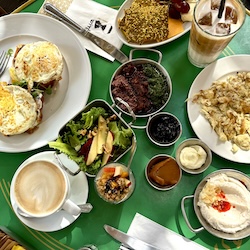
7-Day Fertility-Boosting Sample Menu (Autumn Edition)
This meal plan focuses on seasonal, nutrient-dense ingredients like root vegetables, healthy fats, and high-quality proteins.
Day 1: Energize & Stabilize
- Breakfast: Whole-grain pancakes topped with antioxidant-rich strawberries, blueberries, mixed nuts, and Greek yogurt (low-to-full fat for hormonal support).
- Lunch: Quinoa power bowl with crispy tofu, black beans, bell peppers, shredded cabbage, and avocado with a lime dressing.
- Dinner: Baked salmon (rich in Omega-3s) with roasted asparagus, broccoli, and fiber-packed brown rice.
- Snacks: Apple with almond butter; Carrot sticks with hummus.
Day 2: Protein-Packed Support
- Breakfast: Cinnamon oatmeal topped with sliced almonds, banana, strawberries, and a scoop of cottage cheese.
- Lunch: Whole-wheat tuna wrap with spinach, tomato, cucumber, and avocado.
- Dinner: Chicken stir-fry cooked in ghee with broccoli, bell peppers, and brown rice noodles.
- Snacks: Handful of dried fruit and nuts; Hard-boiled egg.
Day 3: Plant-Based Fiber & Iron
- Breakfast: Scrambled eggs with spinach, tomatoes, and whole-grain toast with ricotta.
- Lunch: Iron-rich lentil soup with a side of mixed greens, avocado, and olive oil dressing.
- Dinner: Grilled chicken with mashed sweet potatoes (using locally sourced butter), green beans, and roasted zucchini.
- Snacks: Edamame with seaweed squares; Celery with peanut butter.
Day 4: Healthy Fats & Selenium
- Breakfast: Tropical chia pudding made with organic milk, topped with kiwi, mango, and coconut flakes.
- Lunch: Mediterranean spinach salad with chickpeas, feta, and balsamic vinaigrette.
- Dinner: Quinoa-stuffed bell peppers with spiced ground turkey, onions, and carrots.
- Snacks: Handful of walnuts and Brazil nuts (excellent for selenium/thyroid health); Bell peppers with guacamole.
Fertility Nutrition FAQ
- What are the best foods for egg quality? Foods high in antioxidants (berries, leafy greens) and Omega-3 fatty acids (salmon, walnuts, chia seeds) are scientifically linked to improved egg quality by reducing oxidative stress.
- Should I eat full-fat or low-fat dairy for fertility? Research, including the Harvard Nurses’ Health Study, suggests that full-fat dairy may be more beneficial for ovulatory fertility than low-fat alternatives.
- How does fiber affect hormone balance? Fiber helps the body bind to and excrete excess estrogen. This prevents “estrogen dominance,” which can interfere with regular ovulation.
Further Reading for Your Journey
- [Best Foods for Hormone Balance and Fertility: A Nutritional Guide]
- [Top 6 Fertility-Boosting Nutrients and Where to Find Them]
- [How to Naturally Balance Hormones and Boost Fertility]
Key Takeaways: Your Fertility Nutrition Strategy
If you remember nothing else from this 7-day plan, keep these four pillars in mind to stay on track:
- Focus on Glycemic Control: By pairing whole grains (oatmeal, quinoa) with healthy proteins (eggs, Greek yogurt), you stabilize blood sugar. This is critical for regulating insulin, which directly impacts ovulatory function.
- Prioritize Omega-3s & Healthy Fats: Ingredients like wild-caught salmon, avocado, and walnuts provide the essential fatty acids needed for hormone production and reducing reproductive inflammation.
- Embrace Color for Antioxidants: The berries, leafy greens, and bell peppers in this plan are packed with antioxidants like Vitamin C and Vitamin E, which protect your eggs from oxidative stress.
- Consistency Over Perfection: Don’t let “life lifing” derail you. Nutritional support is cumulative; it’s your habits over months, not a single day, that create change.
Disclaimer: The information in this post is for general educational purposes only and should not be considered personalized medical advice or a substitute for professional guidance. Always consult with your doctor or a registered dietitian before making any changes to your diet, lifestyle, or supplement routine.
Source: Nichols, L., & Hendrickson-Jack, L. (2024). Real food for fertility: Prepare your body for pregnancy with preconception nutrition and fertility awareness. Fertility Food Publishing.
_____________________
Author Bio: Aderet Dana Hoch, MS, RD, CDN, is a Registered Dietitian Nutritionist with over 15 years of combined experience in the food, health, and wellness industries. As a private practice Dietitian and former leader at companies like Chobani and New York Cares, Aderet specializes in translating complex women’s health nutrition data into actionable, life-changing strategies.
Aderet holds a Master of Science in Nutrition Education from Teachers College, Columbia University, and maintains professional licensure in both New York and Israel. A recognized voice in the field, her expertise has been featured in Food & Wine, Women’s Health, Everyday Health, and PopSugar. Through her YouTube channel and guest appearances on podcasts like Live Well Earn Well, Aderet advocates for an evidence-based, natural approach to nutrition and cultivating a positive, wholesome relationship with food as a foundation for life.