Contents
Introduction
You’re feeling fatigued – and not the kind where you’re just moving a little slower than usual. This is deep exhaustion, low energy, and a lack of motivation that feels hard to shake.
At your second-trimester OBGYN appointment, bloodwork reveals your iron levels are running low. In addition to the iron supplement being taken with your prenatal, you’re advised to be more intentional about including iron-rich foods in your meals, with plans to recheck your levels in the coming weeks.
Iron is a critical mineral throughout the lifespan, but its importance increases significantly from preconception through postpartum – especially during pregnancy. As blood volume expands and your baby’s growth accelerates, your body’s iron needs rise to support oxygen transport and help prevent iron-deficiency anemia.
Yet the common advice to “just eat more red meat” often falls short. It lacks personalization and doesn’t account for food preferences, dietary restrictions, nausea, aversions, or cultural eating patterns.
But iron-rich foods extend far beyond red meat – from poultry and seafood to legumes, seeds, and leafy greens like spinach.
In this post, we’ll break down iron needs during pregnancy, highlight a variety of iron-rich food sources, share a sample iron-supportive menu, and cover what to know about supplementation – so you can feel nourished, supported, and confident in your choices.
Understanding Iron Needs During Pregnancy
When focusing on a specific nutrient, the most helpful place to start is by understanding your actual needs. For non-pregnant women, the general recommendation is 18 mg of iron per day. During pregnancy, iron requirements increase significantly to 27 mg per day to support expanded blood volume, placental growth, and fetal development.
Dietary iron comes in two forms: heme and non-heme, which differ in both structure and absorption.
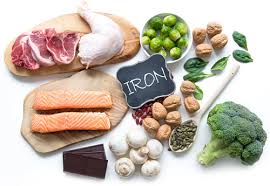
- Heme iron, found in animal-based foods such as red meat, poultry, and seafood, is more readily absorbed by the body.
- Non-heme iron is found in plant-based foods like spinach, lentils, beans, nuts, seeds, and fortified grains. While non-heme iron is absorbed less efficiently, it still plays an important role in meeting iron needs – especially when paired strategically with vitamin C–rich foods.
Heme Iron Sources (Animal Products)
- Red meat (beef, lamb) and organ meats (such as liver)
- Beef (3 oz cooked): ~2.5–3 mg iron
- Organ meats (beef liver, 3 oz cooked): ~5 mg iron (limit intake during pregnancy due to high vitamin A content; Consult your OB-GYN and/or a Registered Dietitian to determine a safe frequency before adding organ meats to your routine)
- Chicken and turkey (dark meat contains more iron than white meat)
- Chicken or turkey, dark meat (3 oz cooked): ~1.1–1.3 mg iron
- Shellfish, including oysters, clams, and mussels
- Oysters (3 oz cooked): ~8 mg iron
- Clams (3 oz cooked): ~23 mg iron
- Mussels (3 oz cooked): ~6 mg iron
- Safety Note on Shellfish: Oysters, clams, and mussels are excellent iron sources, but they must be cooked thoroughly to an internal temperature of 145°F (63°C) to eliminate harmful bacteria like Vibrio. Additionally, ensure they are sourced from low-mercury waters. Avoid raw or undercooked shellfish entirely during pregnancy to prevent foodborne illness.
- Sardines and canned tuna
- Sardines, canned in oil (3 oz): ~2.5 mg iron
- Canned tuna (light, 3 oz): ~1.3 mg iron (follow pregnancy-safe mercury guidelines)
- If choosing canned tuna, select “Chunk Light” varieties and limit intake to the recommended 1–2 servings per week to keep mercury exposure low for fetal development.
Non-Heme Iron Sources (Plant-Based products)
- Legumes: lentils, chickpeas, black beans, kidney beans
- Lentils, cooked (1 cup): ~6.6 mg iron
- Chickpeas, cooked (1 cup): ~4.7 mg iron
- Black beans, cooked (1 cup): ~3.6 mg iron
- Kidney beans, cooked (1 cup): ~5.2 mg iron
- Dark leafy greens: spinach, kale, Swiss chard
- Spinach, cooked (1 cup): ~6.4 mg iron
- Kale, cooked (1 cup): ~1.2 mg iron
- Swiss chard, cooked (1 cup): ~4 mg iron
- Tofu and tempeh
- Tofu (½ cup, firm): ~3.4 mg iron
- Tempeh (½ cup): ~2.2 mg iron
- Quinoa and other whole grains
- Quinoa, cooked (1 cup): ~2.8 mg iron
- Seeds, nuts, and dried fruits
- Pumpkin seeds (1 oz): ~2.5 mg iron
- Hemp seeds (3 Tbsp): ~2.4 mg iron
- Cashews (1 oz): ~1.9 mg iron
- Almonds (1 oz): ~1.1 mg iron
- Dried apricots (½ cup): ~1.7 mg iron
- Prunes (½ cup): ~1.5 mg iron
- Raisins (½ cup): ~2 mg iron
Maximizing Iron Absorption
Meeting your iron needs isn’t just about what you eat, it’s also about how your body absorbs it. This is especially important during pregnancy, when iron requirements are higher and even small absorption barriers can make a difference.
Non-heme iron, found in plant-based foods, is absorbed more efficiently when paired with a source of vitamin C. Vitamin C helps convert iron into a form your body can better use. Simple additions like tomatoes, bell peppers, citrus, or berries can significantly improve absorption.
On the other hand, certain nutrients and compounds can inhibit iron absorption when consumed at the same time. Calcium is one of the most common culprits. For example, pairing iron-rich foods with cheese or drinking milk alongside a high-iron meal may reduce how much iron your body absorbs. This doesn’t mean these foods need to be avoided altogether – just timed more intentionally.
Practical ways to support iron absorption:
- Pair iron-rich foods with vitamin C sources: Think lentils with tomatoes, spinach with lemon juice, or oatmeal topped with berries.
- Limit inhibitors around iron-rich meals: Try to avoid consuming large amounts of calcium-rich foods, coffee, tea, or cocoa within 1–2 hours of iron-rich meals.
- Use cast iron cookware when possible: Cooking acidic foods (like tomato-based dishes) in cast iron can increase the iron content of your meal in a natural, food-based way.
Sample Meal Ideas
- Breakfast: Oatmeal cooked in soy milk with berries, pumpkin seeds, and dried fruit
- Snack: Homemade Trail mix
- Lunch: Spinach salad with chicken, strawberries, and lemon dressing
- Snack: Peppers with hummus
- Dinner: Organic red meat with roasted vegetables, and quinoa
When to Consider Supplements
Iron supplementation should always be guided by your healthcare team. Before starting an iron supplement, consult with your doctor and registered dietitian to assess your lab values, symptoms, and individual needs.
When supplementation is recommended, iron is best taken on its own, rather than combined with a multivitamin or prenatal, as this can improve absorption. Choose supplements from reputable brands that use third-party testing to ensure quality, safety, and accurate dosing.
It’s also important to know that iron supplements can be challenging on the digestive system. Common side effects include constipation, nausea, bloating, and abdominal discomfort.
Individualized guidance is key. The goal of supplementation is to support your iron levels while minimizing unnecessary discomfort and supporting overall well-being.
Key Takeaways
- Increased Needs: Pregnancy iron requirements jump to 27 mg per day to support your expanding blood volume and baby’s development.
- Beyond Red Meat: While beef is a well-known source, you can also meet your goals through shellfish, sardines, legumes, tofu, and dark leafy greens.
- Absorption is Key: Boost plant-based (non-heme) iron absorption by pairing meals with Vitamin C (citrus, bell peppers) and avoiding calcium, coffee, or tea within two hours of iron-rich meals.
- Safety First: Always cook shellfish thoroughly, choose “Light” tuna over Albacore, and consult your doctor before adding organ meats or new supplements.
- Smart Supplementing: If prescribed, take iron separately from your prenatal vitamin to maximize absorption and reduce digestive side effects.
To learn more about what Dining With Nature offers for nutrition care – hit the Explore The DWN Programs button below or take a look at our Services page.
Disclaimer: The information in this post is for general educational purposes only and should not be considered personalized medical advice or a substitute for professional guidance. Always consult with your doctor or a registered dietitian before making any changes to your diet, lifestyle, or supplement routine.
_____________________
Author bio: Aderet Dana Hoch, MS, RD, CDN, is a Registered Dietitian Nutritionist with over 15 years of combined experience in the food, health, and wellness industries. As a private practice Dietitian and former leader at companies like Chobani and New York Cares, Aderet specializes in translating complex women’s health nutrition data into actionable, life-changing strategies.
Aderet holds a Master of Science in Nutrition Education from Teachers College, Columbia University, and maintains professional licensure in both New York and Israel. A recognized voice in the field, her expertise has been featured in Food & Wine, Women’s Health, Everyday Health, and PopSugar. Through her YouTube channel and guest appearances on podcasts like Live Well Earn Well, Aderet advocates for an evidence-based, natural approach to nutrition and cultivating a positive, wholesome relationship with food as a foundation for life.