The best postpartum diet for PCOS focuses on blood sugar stabilization and nutrient repletion to manage the sudden “androgen rebound” that occurs after birth.
To balance hormones effectively, the ideal framework prioritizes high-quality proteins, anti-inflammatory fats, and fiber-rich carbohydrates to improve insulin sensitivity.
This approach addresses the “fourth trimester” hormonal crash, where plunging estrogen and rising cortisol can exacerbate PCOS symptoms, while providing the essential iron, magnesium, and omega-3s needed for physical recovery and a healthy milk supply.
Contents
What Happens to PCOS Hormones After Birth?
During pregnancy, high levels of estrogen and progesterone naturally suppress the elevated androgens (like testosterone) typical of PCOS. This is why many experience clearer skin or reduced hair growth while pregnant.
However, once the placenta is delivered:
- The Hormone Crash: Estrogen and progesterone plummet, allowing androgens to dominate once again.
- Prolactin & Ovulation: Breastfeeding elevates prolactin, which can further delay the return of a balanced menstrual cycle.
- The Cortisol Spike: Sleep deprivation increases cortisol, which directly worsens insulin resistance.
- The Insulin-Androgen Loop: High insulin levels signal the ovaries and adrenal glands to produce more testosterone, exacerbating PCOS symptoms like cystic acne, hair thinning, and mood swings.
Research Note: A US cohort study found that women with PCOS have significantly higher odds of postpartum depression compared to those without the condition. Proactive monitoring of metabolic markers and mood is essential.
Key Nutrients for PCOS Postpartum Depletion
Postpartum recovery requires nutrient repletion. Pregnancy and childbirth deplete vital minerals that the endocrine system relies on to function.
| Nutrient | Benefit for PCOS & Postpartum |
| Iron | Replenishes blood loss and fights postpartum fatigue. |
| Magnesium | Supports sleep quality and improves insulin sensitivity. |
| Zinc | Essential for hormone synthesis and skin health. |
| Omega-3s | Reduces systemic inflammation and supports brain health (mood). |
| B Vitamins | Supports energy metabolism and nervous system recovery. |
Does PCOS Affect Milk Supply?
While there isn’t definitive evidence that PCOS causes low milk supply, there is a strong hormonal link.
High androgen levels can occasionally interfere with mammary gland development and may delay Lactogenesis II (when colostrum transitions to mature milk). Furthermore, insulin resistance can impair the body’s ability to produce milk efficiently.
Strategy: Focus on insulin-sensitizing foods and “galactagogues” (milk-boosting foods) like oats to support lactation while keeping blood sugar stable.
The PCOS Postpartum Meal Framework
To prevent the “blood sugar roller coaster” that worsens PCOS symptoms, use this simple meal-building framework:
1. Center Your Protein
Protein is non-negotiable for hormone repair.
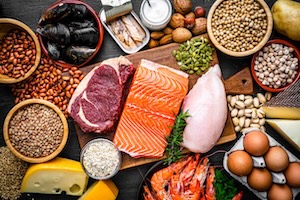
- Options: Greek yogurt, eggs, chicken, lentils, or lean beef.
2. Include Anti-Inflammatory Fats
Healthy fats are the building blocks of hormones and keep you full longer.
- Options: Avocado, olive oil, walnuts, flaxseeds, and fatty fish (salmon).
3. Prioritize Fiber
Fiber slows glucose absorption, preventing insulin spikes.
- Options: Berries, leafy greens, quinoa, and chia seeds.
4. Limit Pro-Inflammatory Triggers
While convenient, ultra-processed foods high in refined sugar and sodium can trigger PCOS flares. Opt for batch-prepped snacks like hard-boiled eggs or veggie sticks to avoid the “convenience trap.”
Sample PCOS-Friendly Postpartum Menu
- Breakfast: Smoothie with spinach, frozen berries, avocado, flaxseed, and Greek yogurt.
- Morning Snack: Cottage cheese with cucumber slices and paprika.
- Lunch: Quinoa salad with chickpeas, cherry tomatoes, parsley, and tahini-lemon dressing.
- Afternoon Snack: A hard-boiled egg and apple slices
- Dinner: Roasted chicken thighs with sweet potatoes and steamed green beans.
Supplements for PCOS Recovery
Always consult your healthcare provider before starting new supplements, especially while breastfeeding.
- Inositol: Research shows it can significantly improve insulin sensitivity.
- Omega-3 Fish Oil: To combat postpartum inflammation.
- Vitamin D: Critical for immune function and hormonal balance.
- High-Quality Postnatal: To ensure ongoing nutrient repletion.
Prioritizing Yourself in the Fourth Trimester
As a new mom, your needs often take a backseat. However, managing your PCOS isn’t just about “dieting” – it’s about giving your body the tools it needs to show up for your family. By supporting your endocrine system, you are supporting your mental health and your recovery.
To learn more about what Dining With Nature offers for nutrition care – hit the Explore The DWN Programs button below or take a look at our Services page.
Disclaimer: The information in this post is for general educational purposes only and should not be considered personalized medical advice or a substitute for professional guidance. Always consult with your doctor or a registered dietitian before making any changes to your diet, lifestyle, or supplement routine.
_____________________
Author Bio: Aderet Dana Hoch, MS, RD, CDN, is a Registered Dietitian Nutritionist with over 15 years of combined experience in the food, health, and wellness industries. As a private practice Dietitian and former leader at companies like Chobani and New York Cares, Aderet specializes in translating complex women’s health nutrition data into actionable, life-changing strategies.
Aderet holds a Master of Science in Nutrition Education from Teachers College, Columbia University, and maintains professional licensure in both New York and Israel. A recognized voice in the field, her expertise has been featured in Food & Wine, Women’s Health, Everyday Health, and PopSugar. Through her YouTube channel and guest appearances on podcasts like Live Well Earn Well, Aderet advocates for an evidence-based, natural approach to nutrition and cultivating a positive, wholesome relationship with food as a foundation for life.